Why Synthetic Roof Coverings Excel in Harsh Midwestern Climate Conditions
Anyone that has spent a couple of years owning a home in the Midwest discovers the very same lesson the hard way: roofing materials are judged less by just how they look on a warm afternoon and even more by just how they execute in late January, throughout a spring hailstorm, or after a week of freeze-thaw cycles. The roof covering over a Midwestern home has to handle heat, subzero cold, ice, wind, sleet, heavy rainfall, and sudden weather condition swings that would be uncommon in several other areas. That mix subjects the toughness and weaknesses of every roof in a hurry.
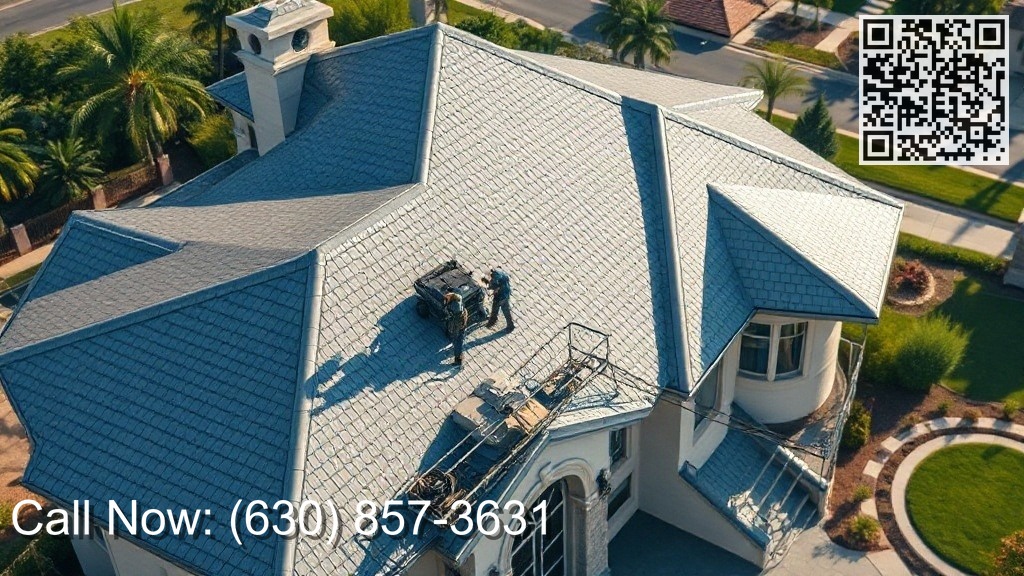
This is where artificial roofing systems have actually carved out a severe credibility. Not due to the fact that they are stylish, and not due to the fact that they promise some wonder remedy for each roof covering issue, but because the material scientific research behind them align unusually well with the climate demands of states like Illinois, Indiana, Wisconsin, Michigan, Iowa, and Missouri. In my experience, house owners often begin the conversation concentrated on appearance, especially if they admire cedar shake, slate, or other high-end profiles. By the time the conversation is over, they are typically paying equal attention to effect resistance, weight, attaching methods, maintenance expectations, and exactly how the roofing system will act after 10 Midwest winters.
Synthetic roof covering has grown well beyond the novelty phase. Today's building artificial roof covering items are engineered to mimic natural materials while remedying most of the susceptabilities that have traditionally made those products tough to possess in severe environments. For property owners thinking about a lasting financial investment, especially those evaluating synthetic roof replacement alternatives against asphalt, cedar, or all-natural slate, the conversation should have a close, useful look.
The Midwest is uniquely tough on roofs
Some environments are predictable. The Midwest is not. A roofing below might cook under summer season sunlight at temperatures warm sufficient to soften low-grade products, after that deal with sudden electrical storms with wind-driven rainfall. In wintertime, that exact same roofing might hold drifting snow, develop ice along eaves, and cycle through duplicated freezing and thawing. Spring frequently brings hailstorm, and fall can bring temperature level swings huge sufficient to stress seals, flashings, and fasteners.
Those quick changes matter. Roof covering materials increase and agreement. When that activity is too much, or when an item becomes weak in the cool, small weaknesses start to appear at ridges, valleys, around infiltrations, and along sides where wind pressure is best. Property owners do not always see the earliest indications from the ground. What they observe later on is a stain on a ceiling, lifted tabs, missing items after a tornado, or a repair work estimate that shows up years quicker than expected.
That's one factor synthetic roofing systems have obtained grip in places like Chicagoland. They are not immune to poor installation or inadequate ventilation, since no roof is, however top quality artificial items are built to endure a larger range of ecological stress than lots of standard products. In a climate that consistently examines every part on the roofing system assembly, that resistance matters.
Material design, not marketing, describes the appeal
A great deal of the value in costs synthetic roof covering boils down to what it is made of and exactly how it is made. The precise formula varies by brand, but numerous artificial roof shingles are created from crafted polymers, recycled compounds, virgin materials, or blends developed to supply flexibility, longevity, and impact resistance without the fragility associated with natural slate or the upkeep burden of wood.
That versatility is a significant advantage in cold weather. Natural products can crack when struck by hail or when stressed during a deep freeze. Lower-end items may come to be weak sufficient that easy roof covering web traffic from a solution specialist can create damages in winter months. Excellent synthetic materials often tend to continue to be more steady throughout wider temperature level ranges. They can soak up pressure much better, recoup https://salvoarchitecturalroofingcontractors.com/about-us/ more effectively from impact, and withstand splitting in ways that matter in the area, not just in product brochures.
Weight is an additional sensible factor. Typical slate is stunning, however it is hefty sufficient that structural capability becomes part of the discussion. Some homes can sustain it. Others need support, which changes the budget fast. Synthetic choices deliver the look of slate or shake without including that exact same architectural worry. For many homeowners, particularly those preparing an artificial roofing replacement on an existing home, that can simplify the job substantially.
Hail resistance is where artificial roofs usually different themselves
If you have actually ever before strolled a neighborhood after a Midwest hail event, the pattern comes to be apparent. You will certainly see bruised asphalt, split tile, nicked steel devices, and insurance coverage adjusters relocating from residence to home. Hailstorm is one of the most pricey types of roof covering damage in the area, not just since it causes instant effect damage, but because it shortens the life span of products that survive the initial storm.
Many costs synthetic roof covering items are created with effect resistance as a core selling point. That issues since hail efficiency is not practically whether a roof covering leaks the following day. It is also regarding whether the product has been jeopardized in a way that will lead to premature failing 2 or 3 periods later on. A roofing can look acceptable from the street and still have fractures, granule loss, or surprise damage that increases aging.
On higher-end homes, particularly those utilizing artificial roof for deluxe homes, owners are usually attempting to shield both performance and appearance. Natural slate can chip. Cedar can divide. Some synthetic options take care of impact with less noticeable damage while protecting the designated look of the roofing plane. That is a meaningful advantage in neighborhoods where aesthetic appeal lugs real value.
I have seen cases where homeowners initially disregarded artificial items because they assumed "composite" implied lightweight in a bad sense, practically non reusable. Then they took care of full-size samples and saw screening data on effect efficiency, fire rankings, and wind resistance. The perception transformed rapidly. An excellent synthetic roof should not feel lightweight. It should feel engineered.
Freeze-thaw toughness makes a silent but vital difference
Hail obtains focus due to the fact that it is dramatic. Freeze-thaw damage is quieter, slower, and equally as expensive with time. Water finds its method right into tiny openings, freezes, increases, and broadens those openings. Repeat that cycle usually sufficient and the roofing system assembly starts to wear away around vulnerable points. This is one factor the Midwest is so unrelenting to materials that absorb moisture or come to be vulnerable in the cold.
Synthetic roofs carry out well right here partially because most of them resist dampness absorption much better than natural products. Wood can hold dampness. Some mineral-based products are vulnerable to breaking when water breach and freezing combine. Engineered synthetics, by contrast, are commonly much less porous and much less most likely to experience the same inner breakdown.
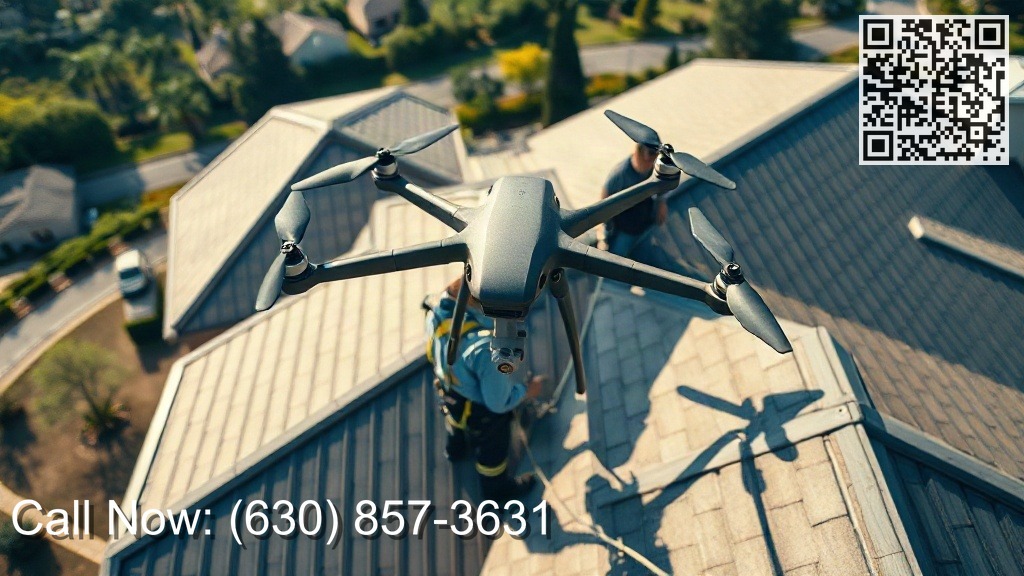
That does not remove the demand for proper underlayment, ice and water guard, ventilation, and flashing information. It simply indicates the visible roofing product is less likely to come to be the weak link. For a household artificial roof covering job, that can translate into fewer frustrations in late wintertime when ice dams, snow buildup, and attic warm loss begin revealing every mistake underneath the surface.
Wind efficiency matters more than the majority of property owners realize
Midwestern storms are seldom gentle. Straight-line winds can be harsh, and even normal tornado fronts can create gusts strong enough to make use of little installation errors. When the side of a roof system begins to fall short, the issue can spread out swiftly. That is why securing patterns, starter training courses, ridge describing, and border steel issue so much.
Quality synthetic roofing systems are commonly tested for high wind efficiency, and several products are produced with interlocking or protected fastening styles that help them hold in adverse problems. This is not just an item story. It is a setup story. A roof is only as dependable as the crew that mounts it. Also exceptional materials can underperform when the installer ignores supplier specifications or cuts edges on deck preparation.
That is why home owners looking for artificial roof covering Chicago solutions or an artificial professional roofer Chicagoland ought to pay attention to installer experience. A synthetic roofing business that mainly mounts common asphalt and just sometimes collaborates with specialty composites might not approach outlining with the exact same accuracy as a team that regularly manages architectural artificial roof covering. The difference appears where it matters most, around valleys, chimneys, skylights, hips, ridges, and changes between roof planes.
Appearance is part of the formula, specifically in established neighborhoods
The efficiency situation for synthetic roofing systems is solid, however aesthetics still drive many purchase choices, particularly in older residential areas, custom-home areas, and architecturally distinct communities. Home owners desire a roofing system that fits the design of the building. In places with historical impact or high layout requirements, standard three-tab and even typical dimensional asphalt can keep an eye out of place.
This is where building synthetic roof covering has actually ended up being specifically compelling. The best items do not simply imitate slate or cedar from a distance. They recreate texture, shadow lines, variation in density, and shade depth in a manner that checks out as willful and refined. On a steep-slope home with famous rooflines, that visual impact can be substantial.
For homeowners looking for artificial roof covering Naperville IL or comparable high end suv markets, the visual versatility is usually a deciding variable. A number of these homes are big sufficient that the roofing system is a major building function, not a background surface area. Synthetic items enable proprietors to seek a slate or tremble aesthetic without handling the architectural, upkeep, or weather-related disadvantages that all-natural materials can bring in this climate.
Lighter weight helps in both old homes and personalized homes
A typical misunderstanding is that weight always amounts to high quality. In roofing, that is only partly real. Larger items may feel considerable, however they likewise position a lot more demand on the structure below. That can complicate both new building and construction and retrofit projects.
With artificial roofings, lighter weight frequently becomes a sensible benefit. On older homes, it may permit the proprietor to achieve a costs look without enhancing framing. On more recent custom homes, it can supply more style flexibility while minimizing structural tons. On complex rooflines with turrets, dormers, flared eaves, or steep pitches, lighter product can also make dealing with and installation more secure and more efficient.
There is an additional real-world benefit. Roof covering teams dealing with lighter synthetic products can frequently relocate extra exactly and with less damage throughout synthetic roofing setup. All-natural slate and floor tile can break throughout handling. Wood can split or vary in high quality from item to item. Synthetic items are usually more regular, which assists skilled synthetic roofing system installers keep appearance and positioning throughout big roofing areas.
Maintenance often tends to be much more manageable
No roofing system is maintenance-free, and any person appealing that needs to be treated with care. Branch abrasion, clogged up rain gutters, inadequately aired vent attic rooms, fell short sealants, and storm damage can affect any kind of product. However, artificial roof covering generally lowers the regular upkeep burden compared with cedar shake and a few other conventional products.
Wood roofing systems, as an example, often call for recurring surveillance for wetness retention, mold, mold, insect activity, and splitting. All-natural slate can last a long time, yet repair work can be specialized and costly, particularly when matching products or working about fragile ceramic tiles. Asphalt is less complex, yet it can lose granules, crinkle, or age unevenly under severe weather stress.
A properly installed domestic synthetic roofing system commonly lands in a useful happy medium. It can supply a high end appearance with much less regular fixing need, less problems regarding rot or insect damages, and better strength after typical weather condition events. That does not suggest proprietors can overlook assessments. It implies the roof covering is less likely to penalize forget immediately.
Installation quality determines whether the product measures up to its promise
If there is one factor I would certainly worry to any kind of house owner, it is this: the material is just half the task. The installer figures out the rest.
A capable synthetic roofer comprehends that specialized items call for more than generic roofing practices. Deck condition should be evaluated honestly. Underlayment option needs to match environment needs. Flashing information ought to be updated where required, not recycled because it saves time. Infiltrations need cautious treatment. Ventilation has to be dealt with, especially in homes with a history of ice damming or uneven attic temperatures.
When house owners talk to a synthetic roof firm, they need to ask certain inquiries about previous projects, crew training, supplier knowledge, and how the firm deals with transitions and accessory details. A solid professional will certainly answer concretely, not vaguely. They will discuss consumption and exhaust ventilation, ice barrier placement, fastening approaches, and why specific information matter in local problems. A weak service provider generally moves the conversation back to price.
That is especially important in markets like synthetic roof Chicago, where weather condition exposure is intense and building designs vary extensively. A low proposal can come to be expensive if the installer forgets the useful needs of the home.
Cost is higher upfront, yet that is not the entire calculation
Synthetic roof typically sets you back extra upfront than common asphalt shingles. That much is true. For some home owners, the costs is considerable enough to rule it out promptly. For others, the decision is less about entry cost and more about long-lasting value.
A roof should be evaluated over its service life, not simply by the agreement amount signed on installation day. If an artificial roofing supplies far better resistance to hail, wind, cracking, and weather-related aging, there can be less repair work, fewer premature substitutes, and much less cosmetic degeneration over time. On homes where look matters, avoiding a visibly weary roofing after a reasonably short period has worth as well.
Insurance considerations can likewise enter the picture, though this varies by service provider and plan. Some impact-resistant items might get approved for discount rates in certain situations, while others might not. Home owners should confirm information directly with their insurance firm rather than thinking a benefit.
The better way to think of expense is to ask a more useful concern: what am I purchasing past the product itself? If the solution includes enhanced tornado resilience, a costs architectural look, lower maintenance pressure, and the possibility of a much longer service perspective, then the greater preliminary investment can make sense, particularly for long-lasting owners.
Where artificial roofing makes the most sense
Synthetic roofing is not instantly the most effective fit for every home. Budget-driven jobs on modest residential or commercial properties might be much better served by high-quality asphalt if the owner expects to relocate quickly. Some historic districts have material restrictions that call for mindful testimonial. And not all artificial items are equivalent. There is a variety in between commodity-grade replica products and well-engineered costs artificial roofing.
Still, synthetic roof coverings are particularly compelling in a couple of common circumstances:
- homeowners replacing cedar or slate but wanting much less maintenance and better tornado resistance
- custom homes where the roof is a significant visual feature
- properties in hail-prone or wind-prone locations throughout the Midwest
- long-term possession circumstances where lifecycle worth matters greater than the lowest bid
- projects where architectural weight is a worry but a deluxe appearance is still desired
Those usage situations turn up frequently in the Midwest because the region incorporates severe weather condition with a big housing stock that includes everything from century-old homes to expansive new builds. Couple of roofing classifications offer that variety as efficiently as synthetic roof systems.
A much better suit for the environment home owners in fact live in
The reason artificial roofs master severe Midwestern climate condition is not mystical. The area requires a product that can take a beating without becoming a maintenance burden, and high-quality synthetic items are constructed with specifically that difficulty in mind. They withstand influence much better than lots of typical materials, take care of freeze-thaw stress and anxiety well, avoid the weight charges of slate, and deliver a degree of design adaptability that attract both functional and design-conscious homeowners.
For a house owner examining artificial roof installation, the smartest approach is to treat it as both a product choice and a contractor decision. The item must be verified. The installer needs to be experienced. When those 2 pieces align, the result is a roof covering that does greater than endure Midwest weather condition. It remains eye-catching, dependable, and structurally sensible through the type of periods that expose weak choices fast.
That is why so many house owners who start the procedure trying to find a premium look end up picking artificial for a much more grounded reason. It fits the climate. And in the Midwest, that may be one of the most essential feature a roof can have.
When Quality Matters
Salvo Architectural Roofing Contractors
566 West 5th Ave Naperville, IL 60563
(630) 857-3631
 Ask ChatGPT
 Ask Grok
 Ask Perplexity
 Ask Claude
 Ask Google AI
 Ask You